
Top 25 most beautiful flags in the world today (with photos)
National flags embody much more than a sense of patriotism and nationality. They have been fiercely defended, symbolizing freedom and the unwavering resilience of citizens. As a result, a stealthy rivalry persists to this day regarding the world's most captivating flags. Learn which countries boast the most striking flags.
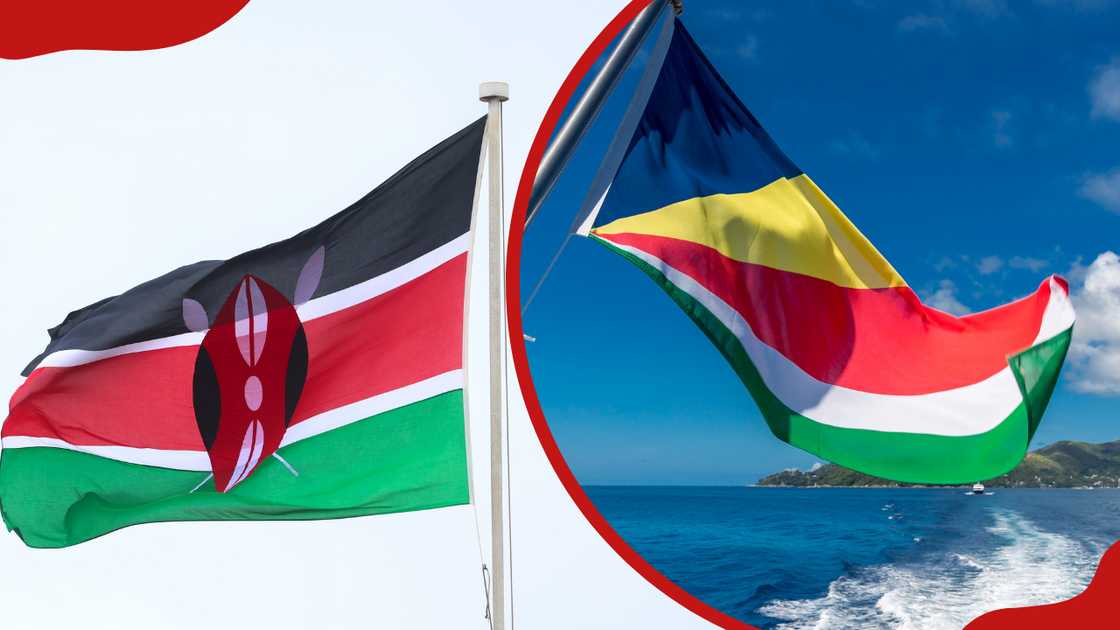
Most of us have an unwavering loyalty to our countries without even realizing it, which is why many of us won't hesitate to consider our national flags the most aesthetically pleasing, even if they may not be objectively beautiful. This may be because of the meanings and design elements incorporated into them. Discover the flags that are widely regarded as the most beautiful today. Note that this list is subjective because what one person finds visually appealing may not be the same for another.
Overview of the Most Stunning Flags in the Global Community Today
| Ranking | Country | Continent |
| 1 | Kenya | Africa |
| 2 | South Africa | Africa |
| 3 | Mozambique | Africa |
| 4 | Malaysia | Asia |
| 5 | Nepal | Asia |
| 6 | Kyrgyzstan | Asia |
| 7 | Australia | Oceania |
| 8 | Argentina | South America |
| 9 | Brazil | South America |
| 10 | Cuba | North America |
| 11 | Greece | Europe |
| 12 | Canada | North America |
| 13 | New Zealand | Oceania |
| 14 | Bosnia and Herzegovina | Europe |
| 15 | United States of America | North America |
| 16 | Denmark | Europe |
| 17 | Mauritania | Africa |
| 18 | Tanzania | Africa |
| 19 | Guyana | South America |
| 20 | North Macedonia | Europe |
| 21 | Seychelles | Africa |
| 22 | Bhutan | Asia |
| 23 | India | Asia |
| 24 | France | Europe |
| 25 | Portugal | Europe |
World's most stunning flags today
Throughout the course of history, countries have modified their flags to symbolize the determination of the people who associate themselves with the emblem.
They serve as a symbol of pride, especially when their citizens are in an international setting. While most countries would argue that they have the most beautiful flag, we have put together the top 25 countries with the most beautiful flags.
1. Kenya
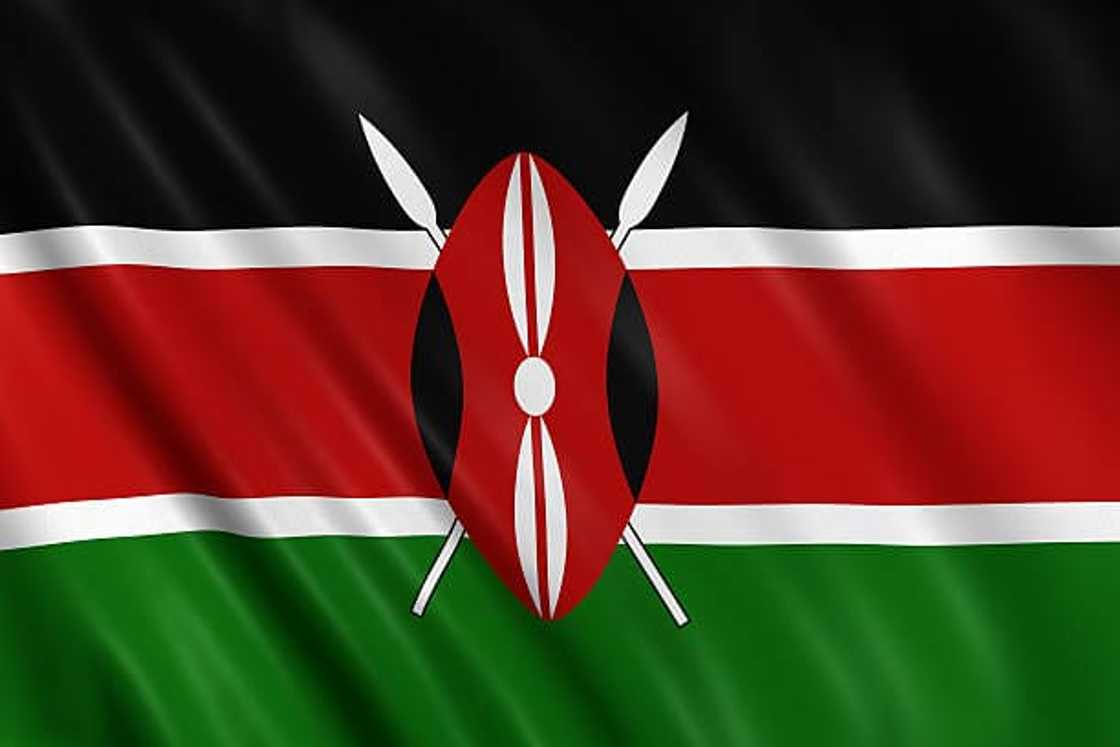
The Kenyan flag is arguably the most beautiful flag globally. It has been in use since 1963, boasting a shield at its center, situated in front of two crossed spears that are integrated into a horizontal tricolour design in black, red, white, and green. The green hue symbolizes Kenya's rich natural landscape and abundant wealth.
The colour black represents the Kenyan people and the continent of Africa. The colour red symbolizes the blood that was shed during the fight for independence. White represents peace and unity, while the shield and spears are symbols of Kenya's defense of all other elements depicted.
2. South Africa

Adopted and used since 1994, the South African flag is one of the most visually striking flags globally, ranking among the top five. It distills the country's centuries-long history. Although beautifully designed, the symbolism of the colors on South Africa's flag has not been formally explained.
It is believed that the colors black, green, and yellow were inspired by Nelson Mandela's African National Congress (ANC) insignia. In contrast, red, white, and blue drew from the colors of the Transvaal flag. The Y-shaped arrangement is also thought to symbolize the merging of multiple cultures beneath a unified nation.
3. Mozambique
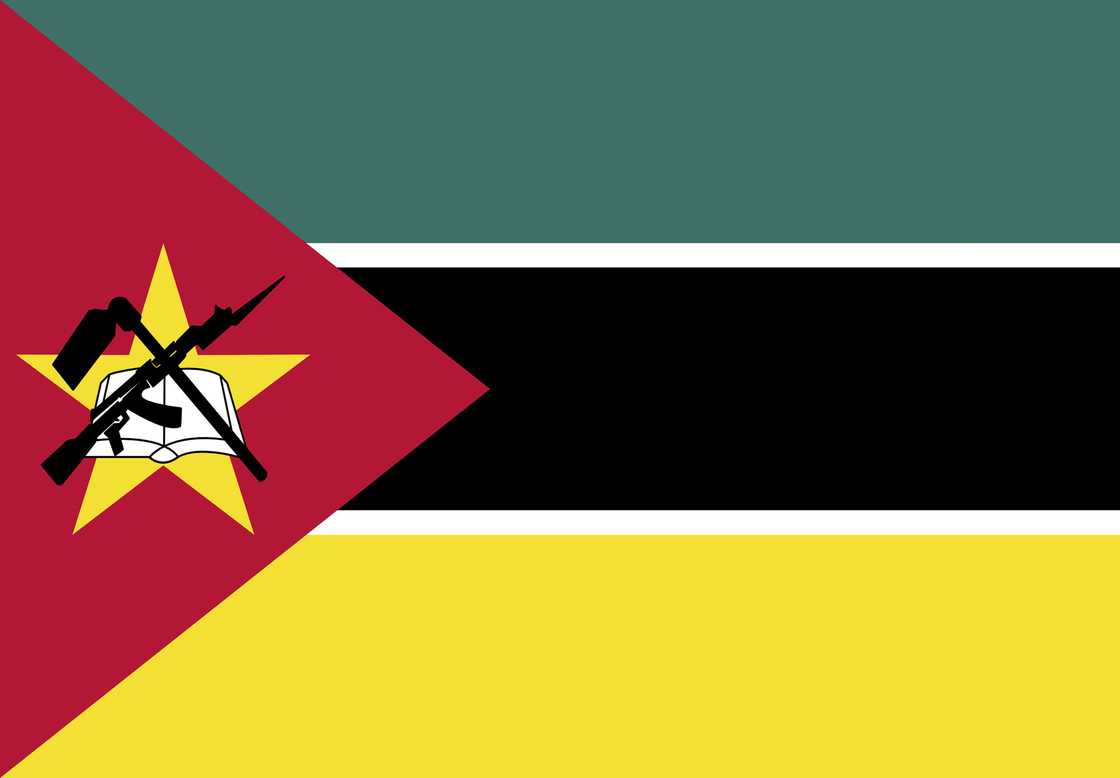
Mozambique's flag is notable for its distinctive design, which incorporates an AK-47 to commemorate and honor the sacrifices made during the country's struggle for independence. It ranks among the world's most aesthetically pleasing flags, currently positioned within the top 10 as recognized for the year 2024.
This emblem officially began being used back in 1983. On the flag's left side, a jembe, AK-47, book and star are prominently featured. The publication signifies education's significant importance. The jembe represents the significance of agriculture in the country's economy.
The green symbolizes Mozambique's wealth of natural resources, white signifies peace, black represents the African continent, yellow stands for the country's precious minerals, and red symbolizes the sacrifices made during the struggle for independence.
4. Malaysia
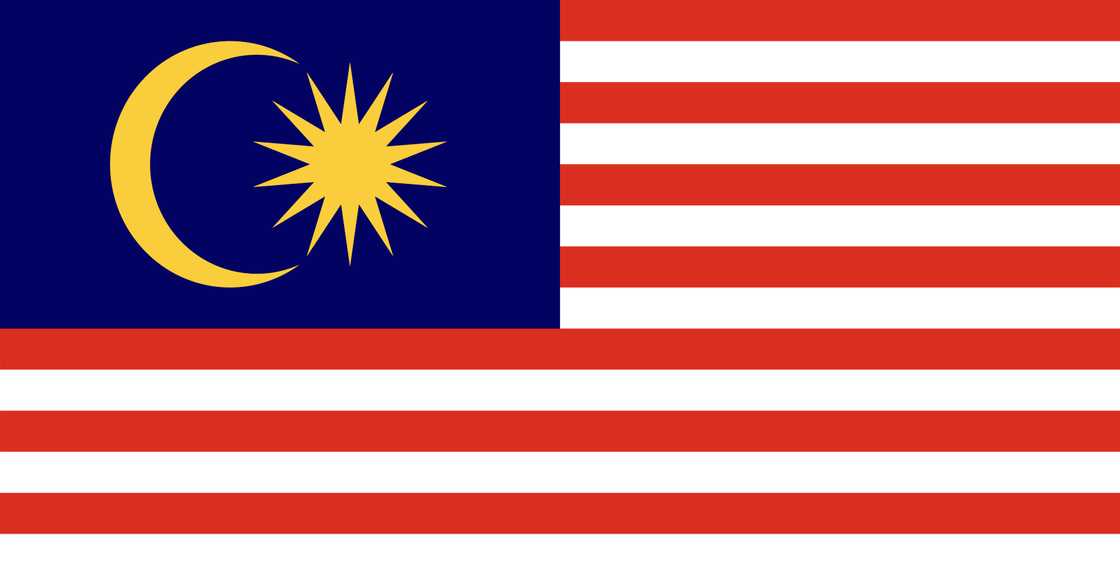
"Strips of Glory" has been used since 1963. The flag of Malaysia features 14 alternating bands of white and red colors. It also displays a blue canton with a crescent and a fourteen-pointed star, known as the Bintang Persekutuan (Federal Star).
The 14 stripes, which are white and red in color, represent Malaysia's 13 states and one federal territory. The 14 points of the star symbolise unity among the states. The crescent-shaped component pays homage to Islam, Malaysia's official faith. Furthermore, the yellow color alludes to the royal color of Malay rulers.
5. Nepal
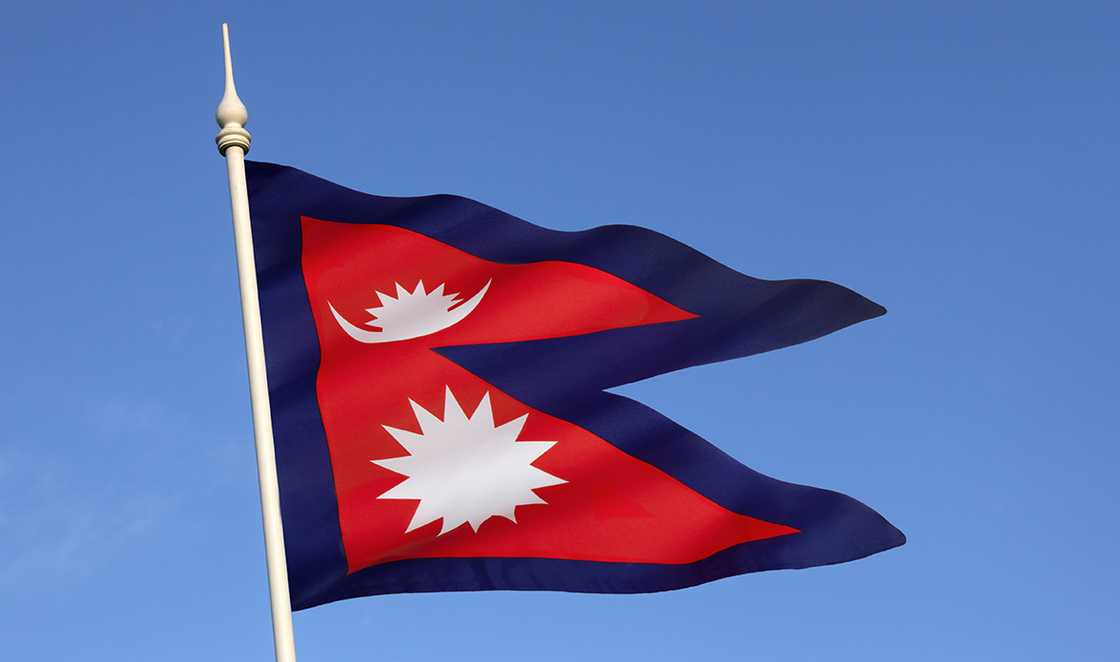
The national flag of Nepal is considered one of the most aesthetically pleasing flags globally. The distinctive shape of Nepal's flag, which deviates from the conventional rectangular design, contributes significantly to its beauty. The flag's design is inspired by the majestic peaks of Mount Everest.
Two motifs, the moon and sun, are emblems of serenity and determination. The predominant color is a deep crimson red, evoking the nation's national flower, the rhododendron. The outer borders feature a serene blue hue, signifying a steadfast commitment to peace.
6. Kyrgyzstan
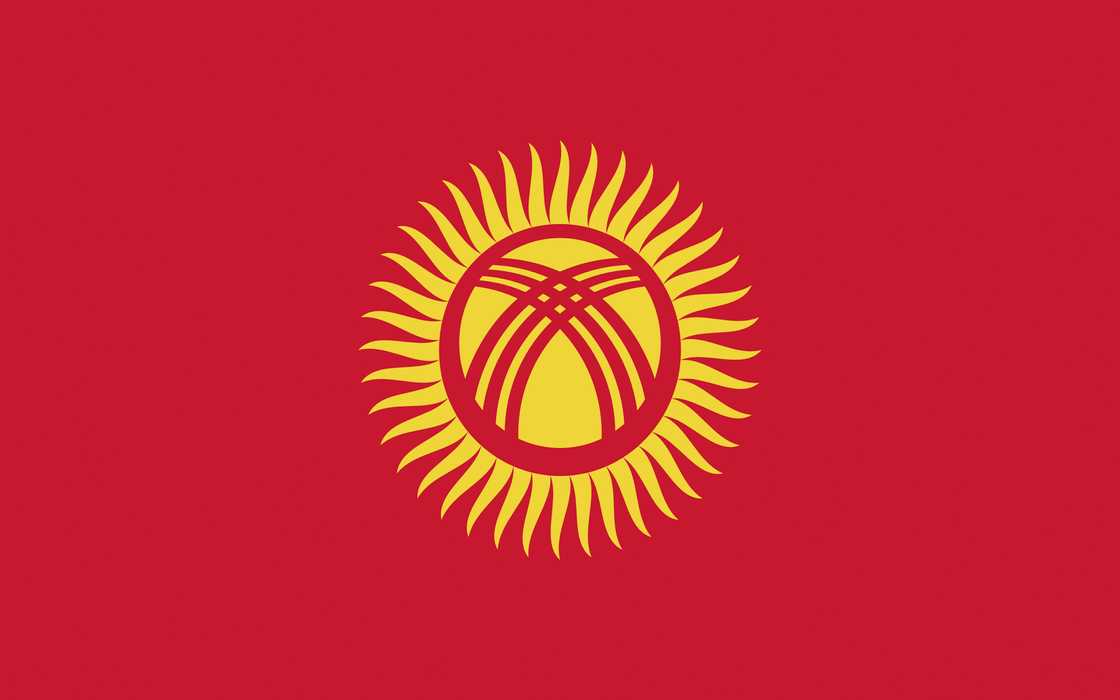
Prior to the Soviet Union's collapse, Kyrgyzstan was one of its member countries. This nation was without a flag even after declaring independence, only adopting it in 1992, six months afterward. The Kyrgyzstan flag boasts a bold, red background that signifies the courage of its citizens.
The yellow emblem featuring a blazing sun at its centre is a symbol of peace and prosperity. The thirty-four radiating rays surrounding the sun represent the Kyrgyz tribes that united to resist the Mongol invasion. The inner lines on the sun symbolise the tunduk, the elevated top element of a traditional Kyrgyz yurt and dwelling.
7. Australia
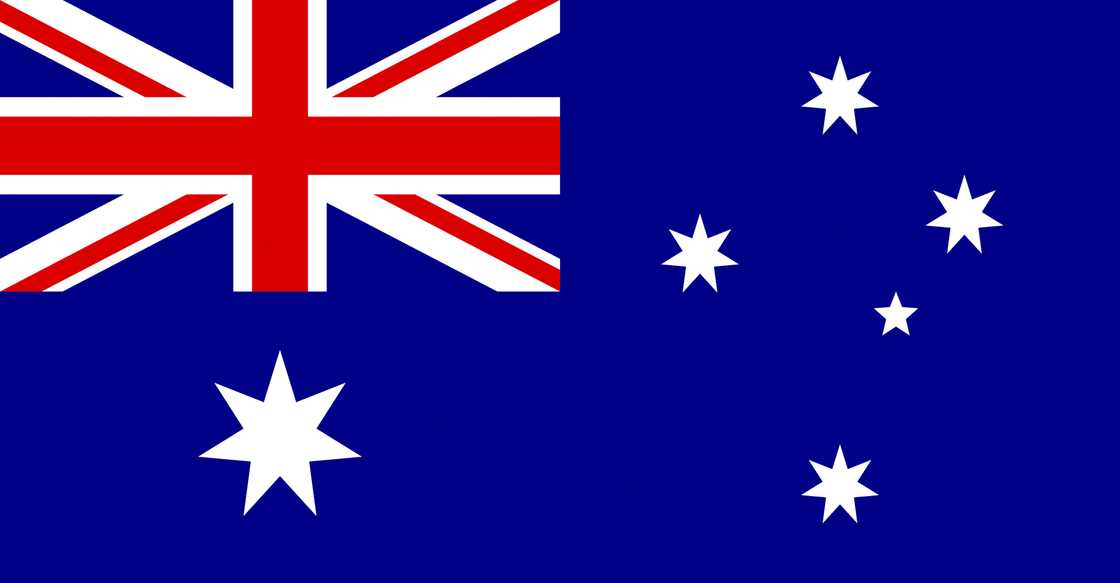
Australia's flag is aesthetically pleasing and meaningful both in its design and symbolism. It is widely regarded as one of the top 20 most visually appealing flags globally. The flag incorporates a distinctive nod to the Commonwealth by means of the Union Jack, positioned in the canton on the upper-left side, which serves as a testament to the country's historical ties.
Below the Union Jack, a large seven-pointed star is positioned, similar to the star featured on the Commonwealth flag. Located on the right half of the Australian flag are five distinct stars of varying sizes, symbolizing the Southern Cross constellation, which is visible from Australia.
8. Argentina
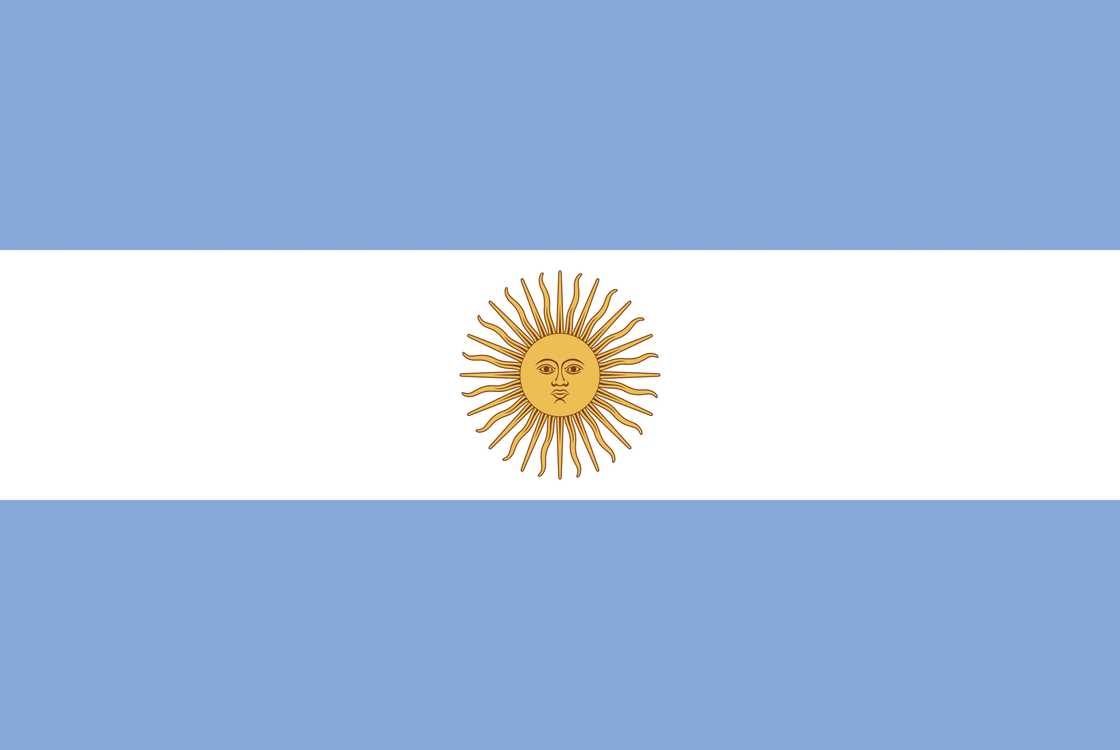
Argentina's national flag is among the most aesthetically pleasing in the world, ranking among the top 10. The flag's design consists of two sky blue strips at the top and bottom, with a white middle section in between. Prominently situated on the white section is a golden emblem known as the "Sun of May".
9. Brazil

The official flag of Brazil is Auriverde, which has been in use since 1889 and is one of the country's flags rich in symbolism. Its green hue represents Brazil's vast fields and forests. Conversely, the yellow shade evokes the nation's abundance of gold.
At the centre of the flag lies a blue circle resembling a celestial globe, symbolizing the night sky as seen from Rio de Janeiro. Small white stars correspond to the states in the federation, each one representing a Brazilian state within the globe. Embroidered across the globe is the motto 'Order and Progress, inspired by the French philosopher Auguste Comte's philosophy of positivism.
10. Cuba
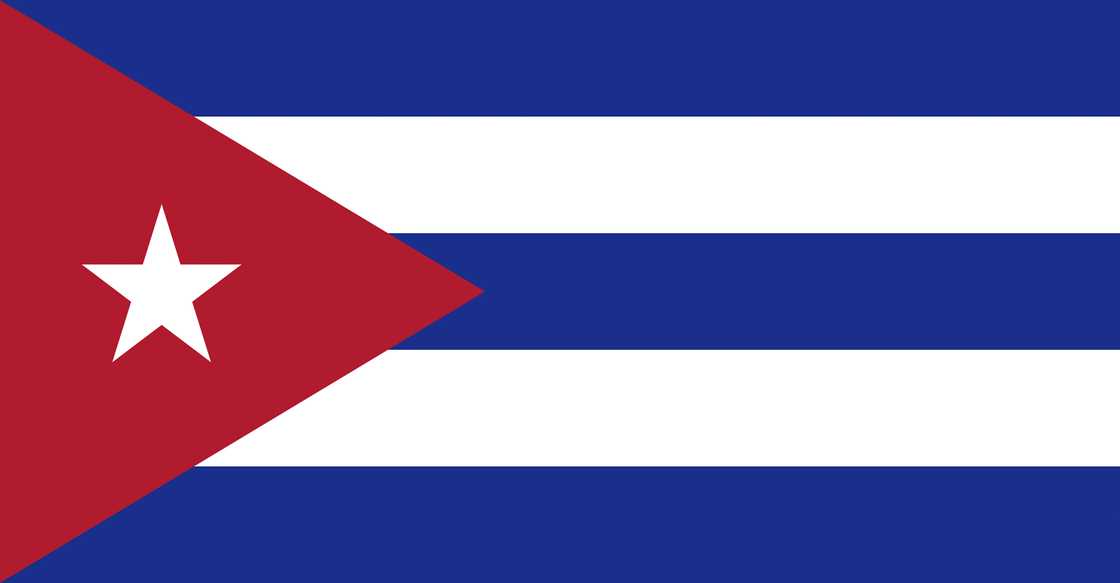
The Cuban flag was designed before the nation gained its independence. The concept of a free Cuba inspired its design. It was created by Narsico Lopez in 1849. Though Lopez did not live to see the flag flying over Cuba, his work has become an enduring symbol of the country's determination and its struggle for independence.
The white stripes symbolize the simplicity and innocence of ideas, while the matching blue stripes represent the three branches of the Cuban government. The red stripes at the end represent bravery and determination, while the star in the red triangle signifies the crown of the newly formed nation.
11. Greece

The Greek flag brings to mind country images of enchanting blue waters and picturesque coastlines. Although it may appear to be relatively uncomplex, its emblematic meaning is profound. It is one of the nations boasting some of the world's most beautiful flags as of 2023.
A motto synonymous with freedom and the possibility of death.
The cross at the farthest corner represents the nation's official religion, Eastern Orthodox Christianity.
12. Canada

Canada has one of the most distinctive flags globally. The red maple leaf emblem is featured prominently at its center. The British Empire was responsible for colonizing Canada. The flag that Canada uses today was implemented in 1965. Initially, three different designs had been considered, but the current flag was selected as the preferred option. The flag features two main colors: red and white.
The maple leaf symbolizes Canadian identity, signifying bravery, devotion, and national pride. It consists of 11 points, 10 of which represent Canada's provinces and the remaining one representing the country's three territories.
13. New Zealand
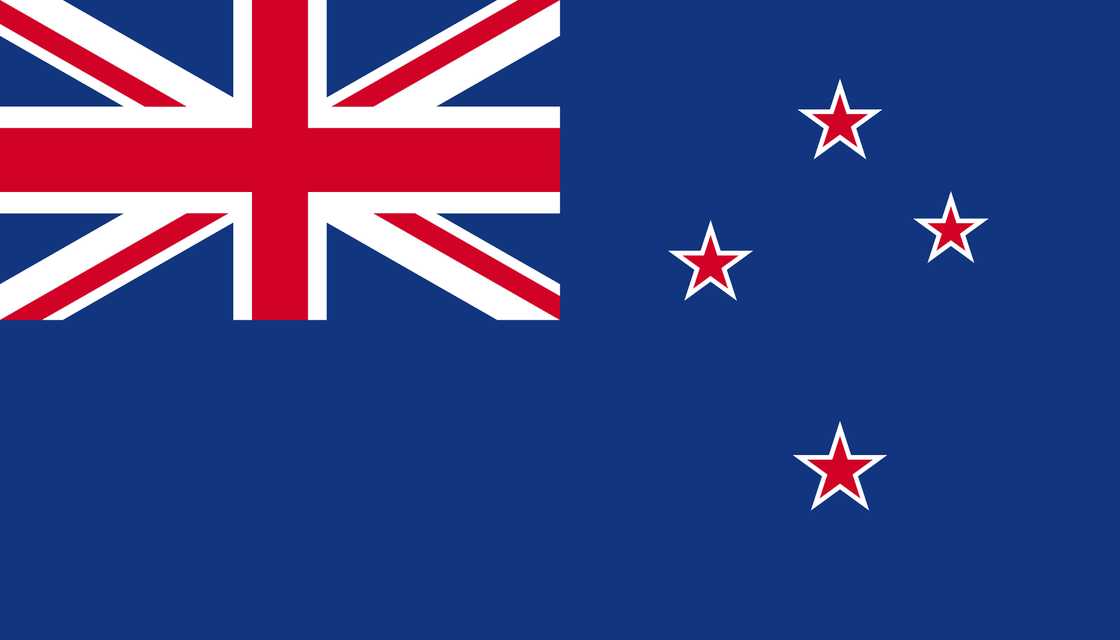
New Zealand flew the Union Jack flag for the majority of its history, making it a British colony and dominion. However, in 1902, it introduced its new and current flag. The country still flies the British flag in the upper left canton.
The flag of New Zealand features a combination of three colors - royal blue, red, and white. The blue background, reminiscent of the Royal Navy's Blue Squadron insignia, shares its tone with this maritime unit. The red stars evoke the country's placement in the Southern Hemisphere, as well as their nod to the ancient Maori myths.
In recent years, specifically in 2016, New Zealand residents were able to cast their votes in favor of a new national emblem, a design featuring their well-known silver fern. However, the current national standard ultimately prevailed.
14. Bosnia and Herzegovina

Bosnia and Herzegovina may not be a globally renowned nation, but it likely boasts the most exceptional flag globally. The stunning design of the Bosnia & Herzegovina flag is characterized by dual symbolism. Its colours are yellow, blue, and white.
The points of the yellow triangle symbolize the three primary ethnic groups: the Bosniaks, Croats, and Serbs. The white stars that run diagonally represent the numerous European countries and thus Bosnia & Herzegovina's standing among its fellow regional countries.
None

The USA flag holds immense historical significance and is one of the most identified flags globally. With a rich heritage dating back to 1960, when Hawaii became the 50th state to join the Union, the flag proudly boasts 50 stars, signifying the current number of states in the United States. The iconic flag's 13 horizontal stripes of red and white hues symbolize the original 13 British colonies that came together to form the nation's first states.
The American flag may remain unchanged, with the District of Columbia and Puerto Rico strongly hoping to become US states. In that scenario, its design would need to be adjusted to include new stars symbolizing the newly admitted states.
16. Denmark
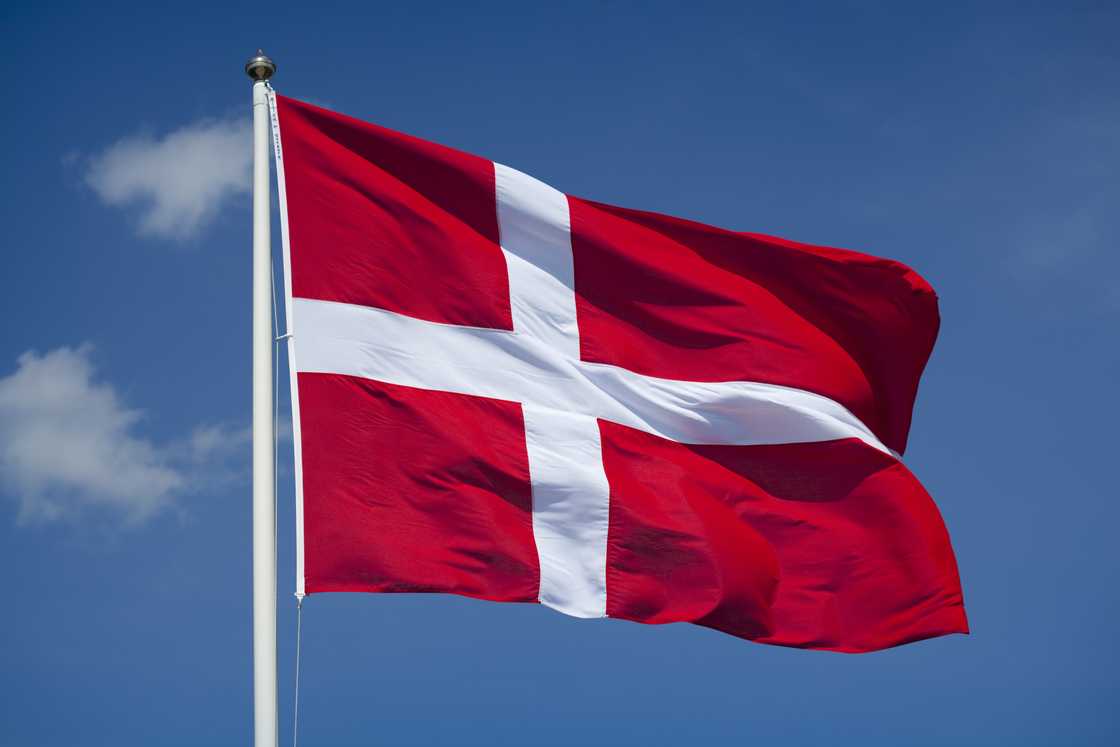
The Danish national flag consists of a red background with a white Scandinavian cross that spans the entirety of the flag from corner to corner. The cross emblem represents the Christian heritage of the Danish people, while the red background signifies the country's rich monarchical history. This emblem has been employed as the Danish national flag since the 13th century and holds the distinction of being the oldest continuously used national flag globally.
17. Mauritania
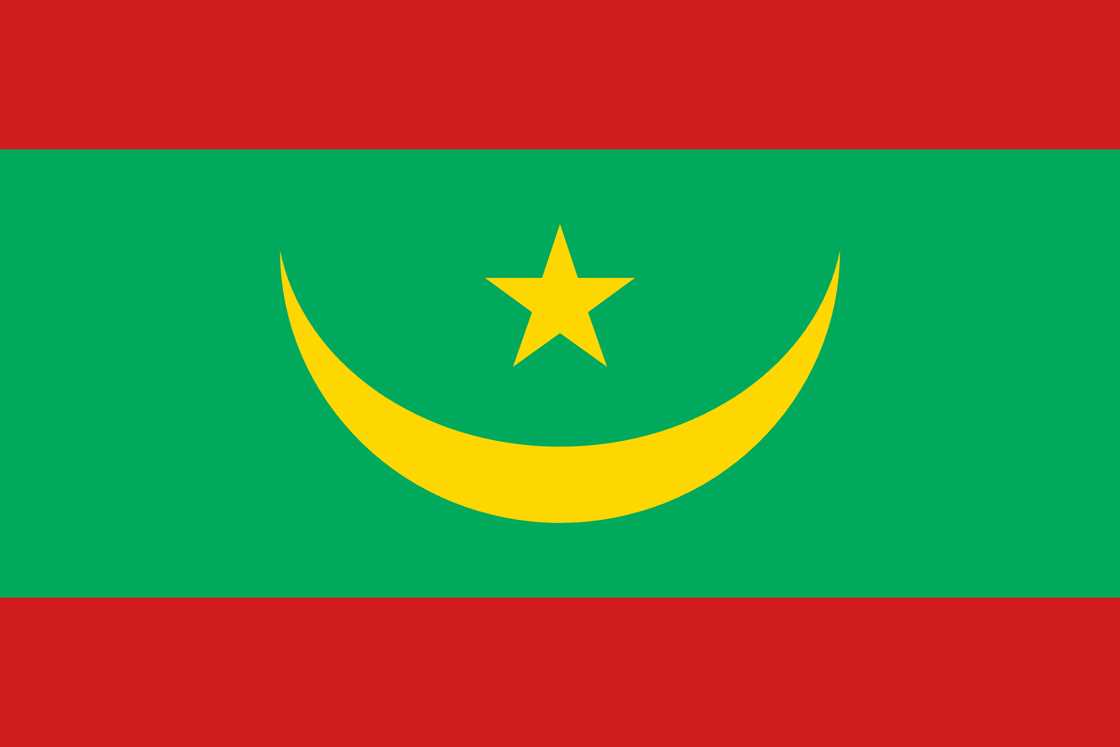
The flag of Mauritania is green in colour, featuring a yellow crescent and star at its centre. The green colour pays homage to the significance of Islam, while the crescent and star embody the principles of the Islamic faith. The flag's colours likewise represent the two primary ethnic groups that define the country, specifically the black majority and the Arab-Berber minority. The flag was officially adopted in 1959, serving as a distinctive emblem of Mauritania's individuality.
18. Tanzania
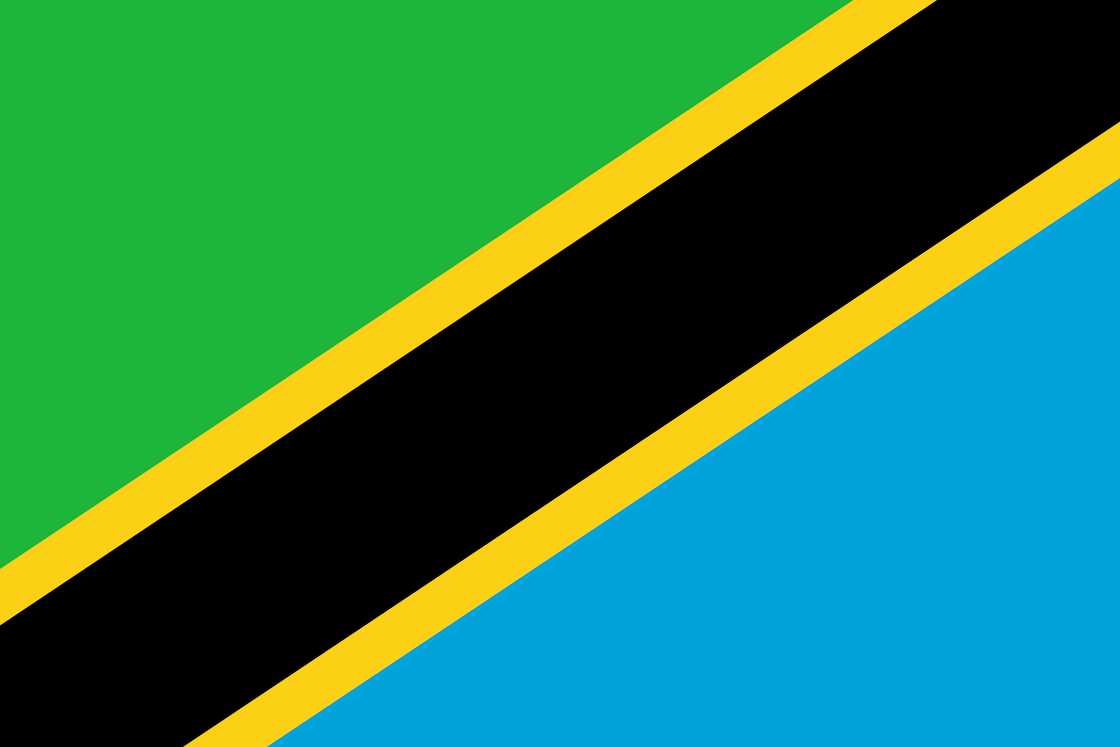
The flag of Tanzania includes a black stripe with a yellow border, divided diagonally from the lower corner on the left side. The top green section is on the left side when the flag is hoisted, and the lower blue section is on the right. The flag was officially adopted on June 30, 1964, when Tanganyika gained official independence.
The yellow-framed black band represents the African continent and the people of Tanzania. The green triangle represents the country's natural flora and its abundant agricultural resources. The blue triangle symbolises the Indian Ocean and the nation's aspirations for advancement.
19. Guyana
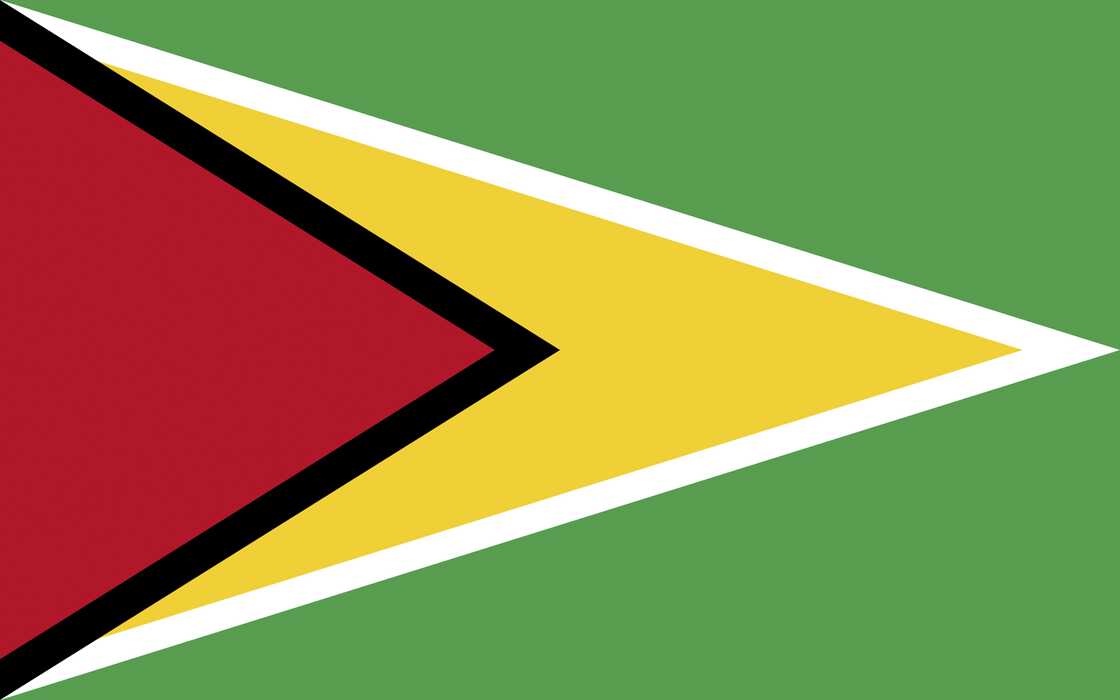
The flag of Guyana consists of five colors: green, gold, white, black, and red. The shade of green on the flag represents the country's agricultural and forested background, while the gold represents its mineral riches.
The white symbolizes Guyana's rivers, seas, and waterfalls, while the black represents the country's perseverance and hard work, and the red signify's the high energy and passion of its people. It also features the national emblem, a sugar cane furnace and an Amerindian canoe with an oar, which showcase Guyana's strong industrial and agricultural roots.
20. North Macedonia
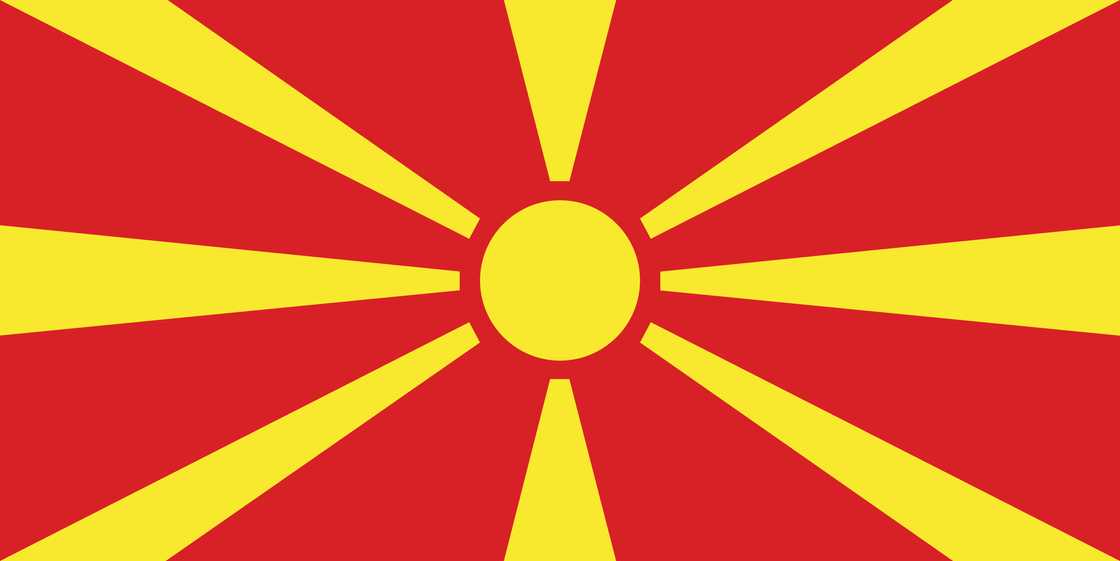
The flag of North Macedonia consists of three horizontal stripes, coloured red, yellow, and green. The colour red signifies courage, while the colour yellow represents the country's richness and appeal. The shade of green symbolises the country's natural resources and its aspiration for prosperity. The national flag was officially introduced in 1995, following the separation of the former Yugoslavia.
21. Seychelles
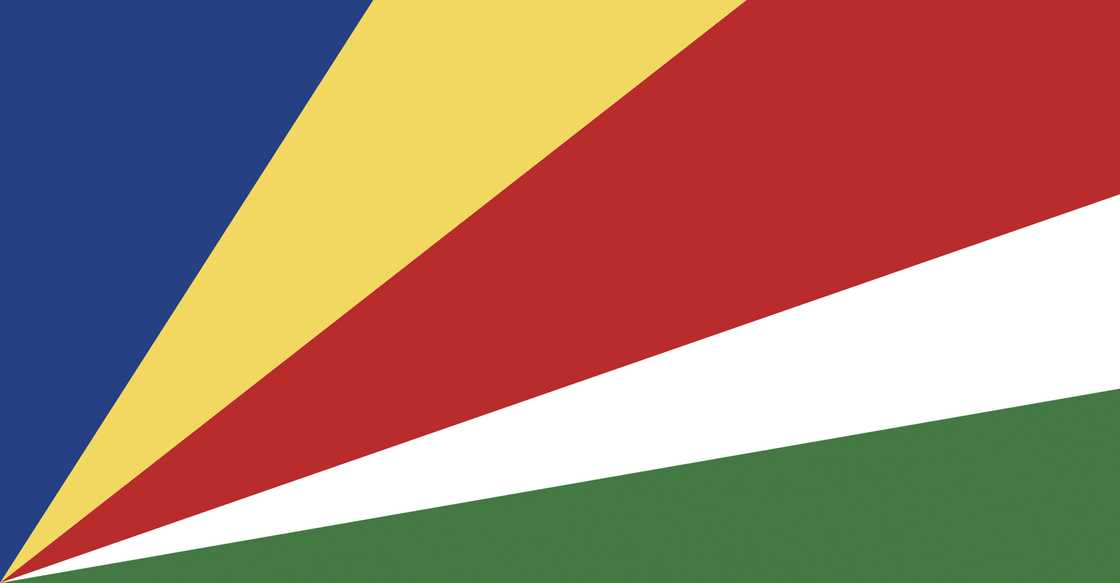
The Seychelles flag exudes a distinct and lively spirit, reflecting the country's energetic identity. The design of the Seychelles flag was adopted on 18 June 1996.
The country's flag features a rectangular design with five diagonal strips extending from the lower left corner to the upper right corner. The blue area at the upper left represents the sky and the surrounding seas which encompass the islands.
Yellow signifies the sun, which brings forth illumination and vitality. Red embodies the resilience and communal spirit of the people, driving them forward together towards a brighter tomorrow, infused with love. White symbolizes equity and concord among the community. Green represents the land and the natural ecosystem that Seychelles calls home.
22. Bhutan

The official flag of Bhutan was adopted in 1969. This emblem is wonderfully unique and incredibly symbolic, giving insight into the country's rich cultural and deeply-rooted Buddhist traditions. The flag is shaped like a rectangle and is split diagonally from the lower left corner to the upper right corner. Yellow represents the country's secular authority and its monarch.
The color orange, a symbol closely associated with the spiritual tradition of Buddhism, holds great cultural significance in the country. In its distinct design, the dragon is predominantly white, signifying purity, and grasps precious jewels in its claws, which signify the nation's wealth and security. The dragon's strongly protruding jaw serves as a representation of the people's unwavering strength and determination in defending their country.
23. India
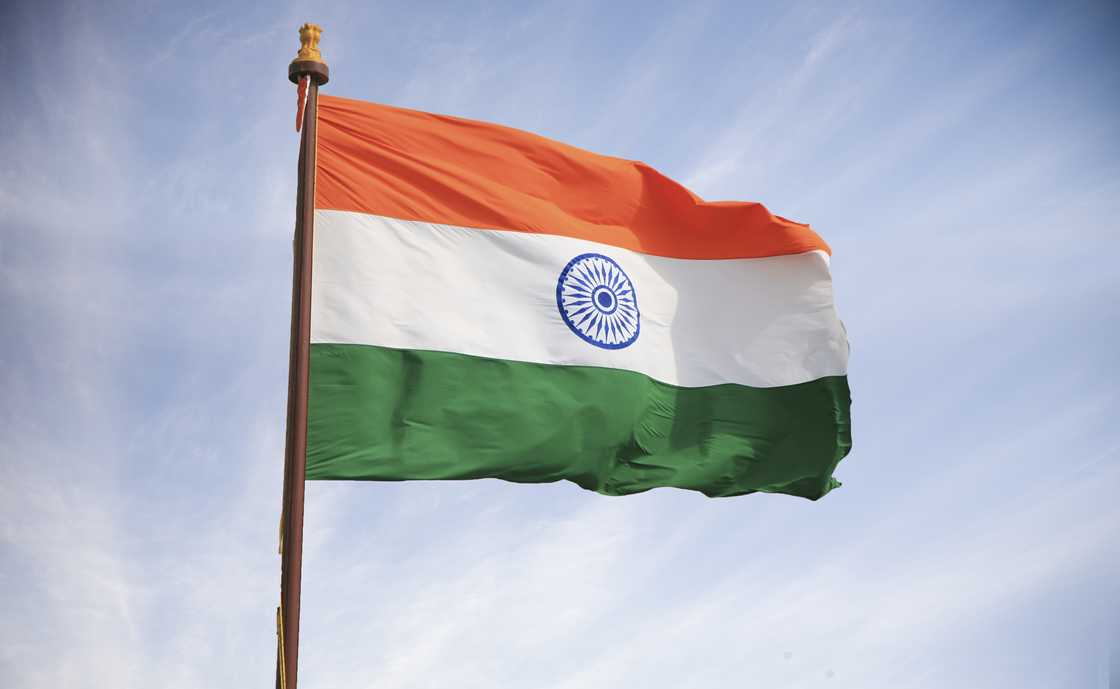
The Indian flag was officially adopted on July 22, 1947, shortly before the country achieved freedom from British rule. It features a rectangular design with three horizontal bands in distinct colours.
The orange color represents courage, sacrifice, and self-denial. White symbolizes truth, peace, and cleanliness. Green signifies faith, fertility, and the fertility of the land. In the center of the white band is a navy blue wheel called the Ashoka Chakra, which consists of 24 spokes. This wheel represents the Dharma Chakra.
24. France
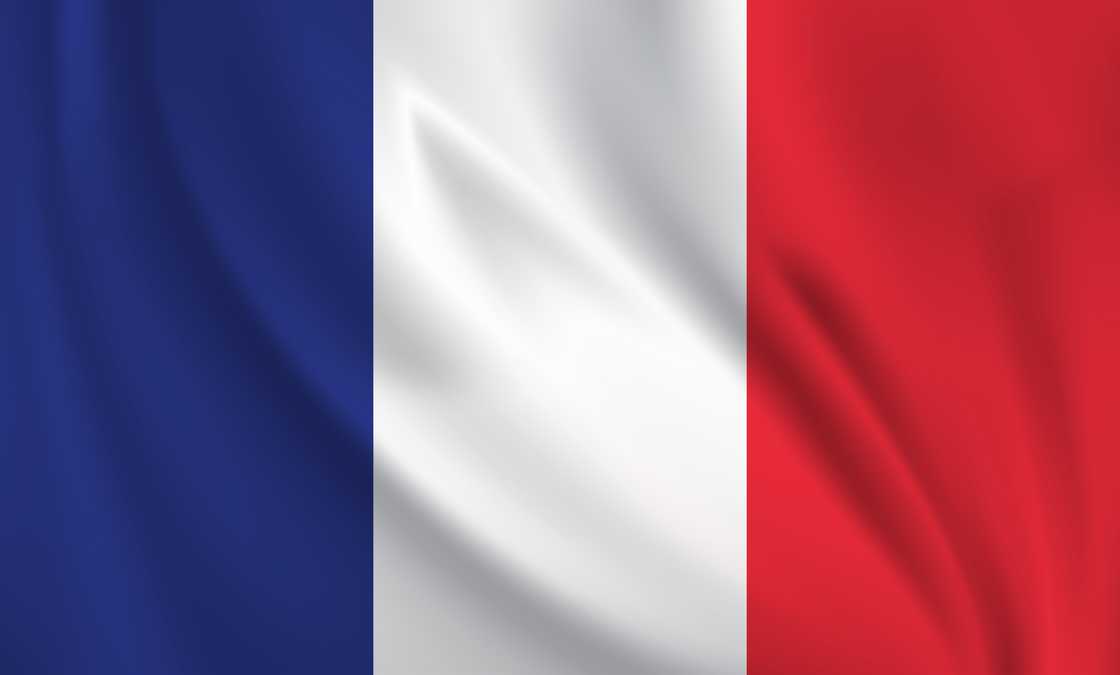
The French national flag, called Tricolore, bears a simple yet distinctive symbol. It has a three-striped design with equal widths. The left blue stripe denotes freedom. The central white stripe signifies equality, while the right red stripe represents unity or brotherhood.
25. Portugal

The flag of Portugal was established on 30 June 1911, following the founding of the Portuguese Republic. The flag is a rectangular shape, divided vertically into two sections of unequal size.
The left edge of the flag is emblazoned with green, covering approximately two-fifths of its width. This colour represents hope, commemorating the Portuguese Revolution of 1640, which secured independence from Spanish rule.
The right side of the flag symbolizes the bloodshed and the perseverance of the Portuguese people. This is represented by the color red, which echoes the country's turbulent history. The national emblem is also prominently displayed on the flag, positioned at the point where the green and red fields intersect. Additionally, the flag bears an intricate illustration of the national coat of arms.
Which is the most visually appealing flag in the world?
The world's most stunning flags comprise those of Kenya, Tanzania, the United States of America, South Africa, Mozambique, Portugal, India, Nepal, Malaysia, Australia, and Seychelles.
What country has a flag that stands out from the rest?
Nepal has the most distinctive flag with a unique design. The flag is the lone national flag worldwide that doesn't have a rectangular shape. Instead, it comprises two pennant shapes, with a deep blue border and a bright red field.
What is the most vibrant flag in the world?
Belize boasts the most vibrant flag globally. The flag features 12 colors, several of which are also found in the coat of arms, contributing to its distinct complexity.
No specific country has been mentioned, so it's difficult to offer a valid opinion on the matter. Many countries' flags have significant meanings, representing their history, culture, and identity. Perhaps you could provide more context or information about what you're looking for in a well-designed flag?
Countries with particularly visually appealing flags include India, Kenya, Australia, Nepal, South Africa, the United States, Seychelles, New Zealand, Portugal, North Macedonia, and Bhutan.
Flags are pivotal to a nation as they unite its citizens and foster a sense of patriotism. They serve as a symbol of national pride and unity, often becoming an object of reverence that governments are willing to wage war over. The most striking flags worldwide excel at capturing both visual appeal and profound symbolism.
.co.ke recently published a list of the most hazardous countries in Africa for travel. Terrorist actions and political upheaval are the primary causes of peace deterioration in African nations.
Violent uprisings and conflicts in recent years have been triggered by presidential power seizures, disputed election outcomes, ethnic tensions, and corruption charges. Discover the most treacherous countries in Africa to travel to.

Post a Comment for "Top 25 most beautiful flags in the world today (with photos)"